
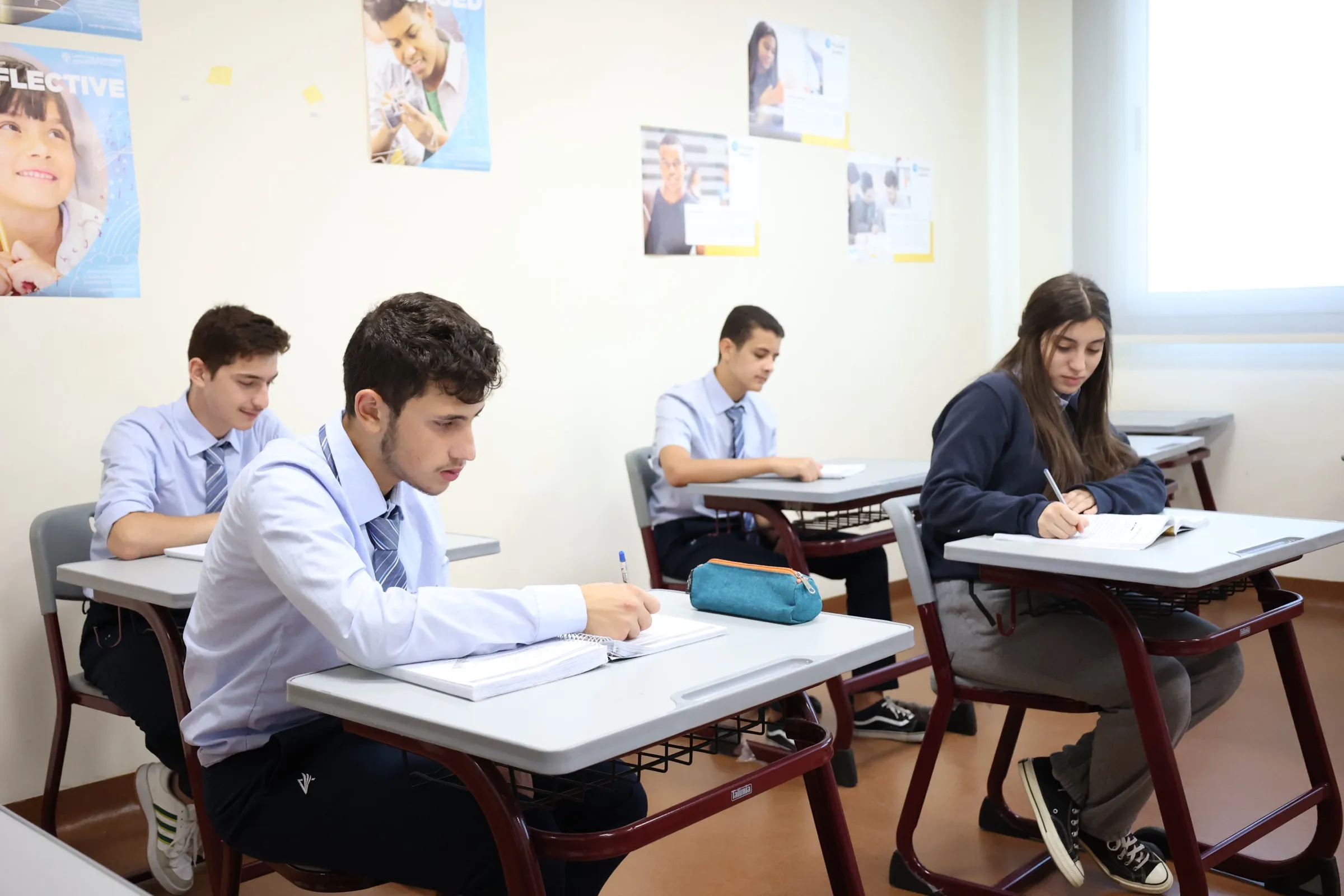
Subjects offered
What students build
Deeper skills for the years ahead.
Four core areas of development, taught across specialist subjects, prepare every KS3 student for IGCSE demands.
Academic English
Extended writing, academic vocabulary, and subject-specific reading across all disciplines.
Mathematical Reasoning
Algebraic thinking, geometry, statistics, and exam-style problem solving.
Scientific Enquiry
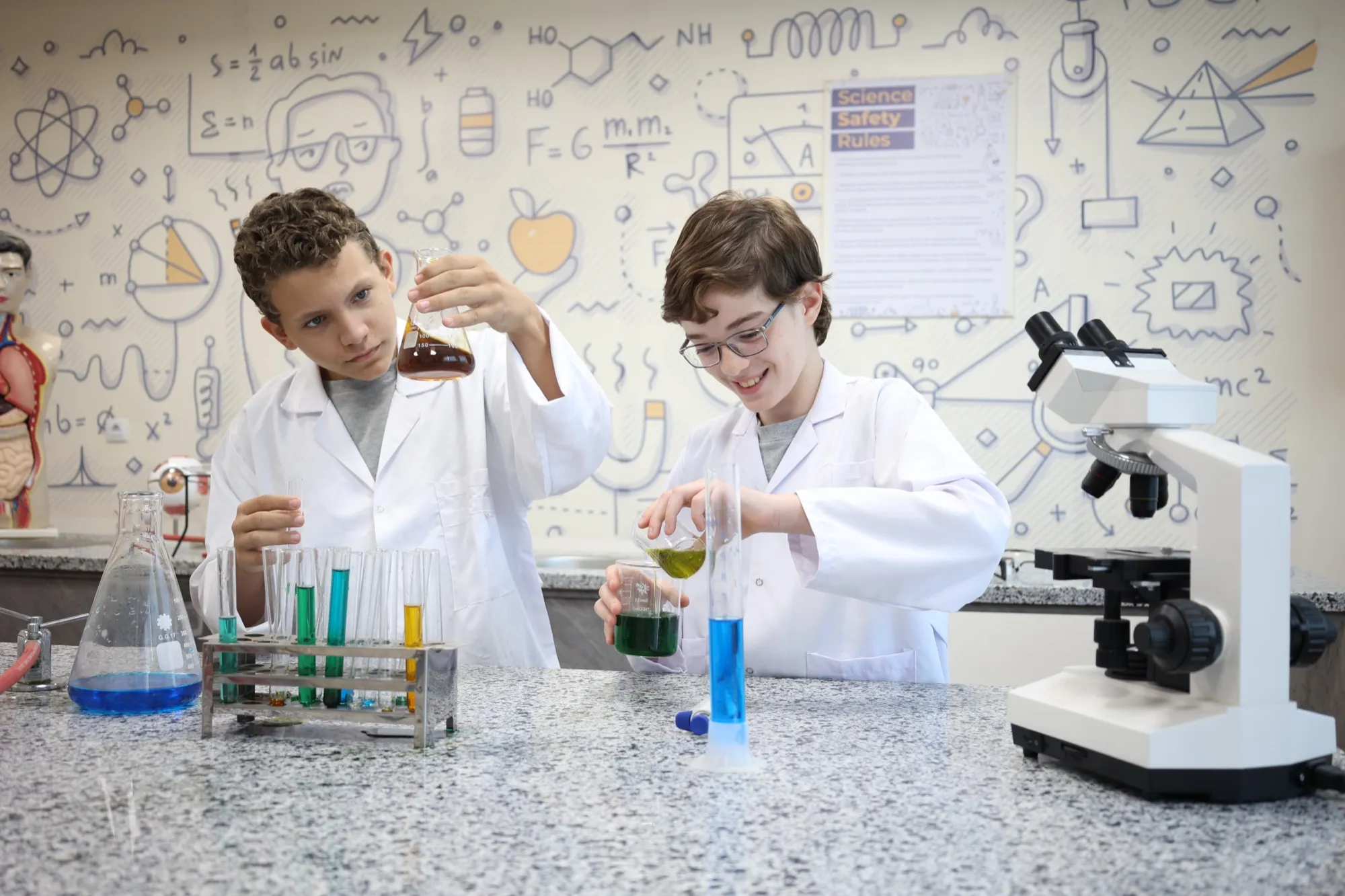
Hypothesis, experiment, data analysis, and scientific communication in three sciences.
Independent Study
Research skills, note-taking, time management, and revision habits for IGCSE readiness.
Language programme
Continuing French and German with formal recognition.
Arabic continues as a core subject. Students who studied French and German in primary can continue towards internationally recognised certifications in KS3.
Arabic
Core curriculum subject
Continues as a mandatory subject through all secondary years, maintaining cultural identity and trilingual confidence.
French
Years 7 to 8 - Institut Francais
Continuation from primary. Institut Francais d'Egypte partnership supports DELF preparation for qualifying students.
German
Years 7 to 8 - Goethe-Institut
Continuation from primary. Goethe-Institut partnership for FIT-level examination, building towards IGCSE-level options.
Is KS3 right for your child?
Visit the school and speak with our secondary team directly.
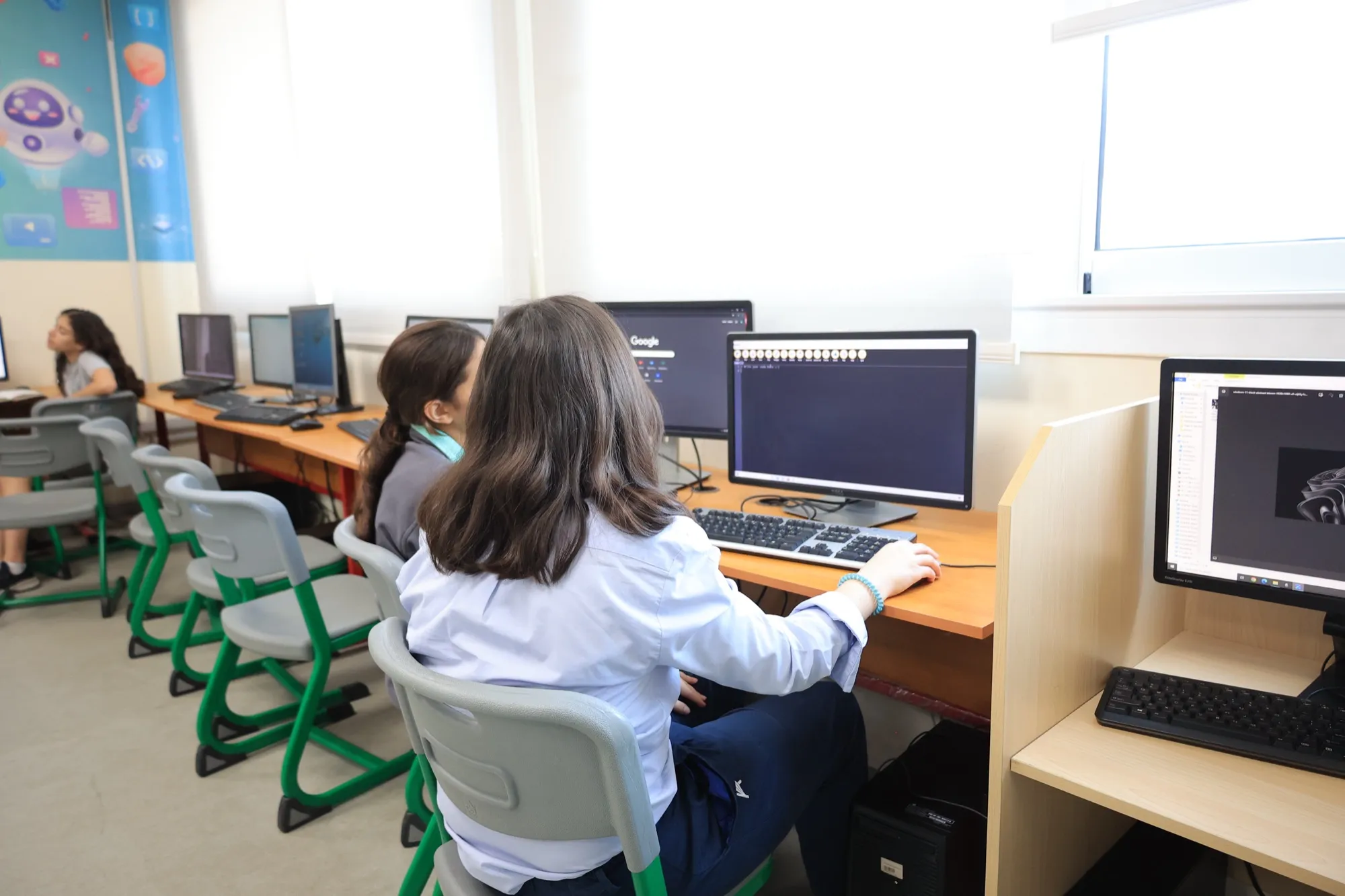
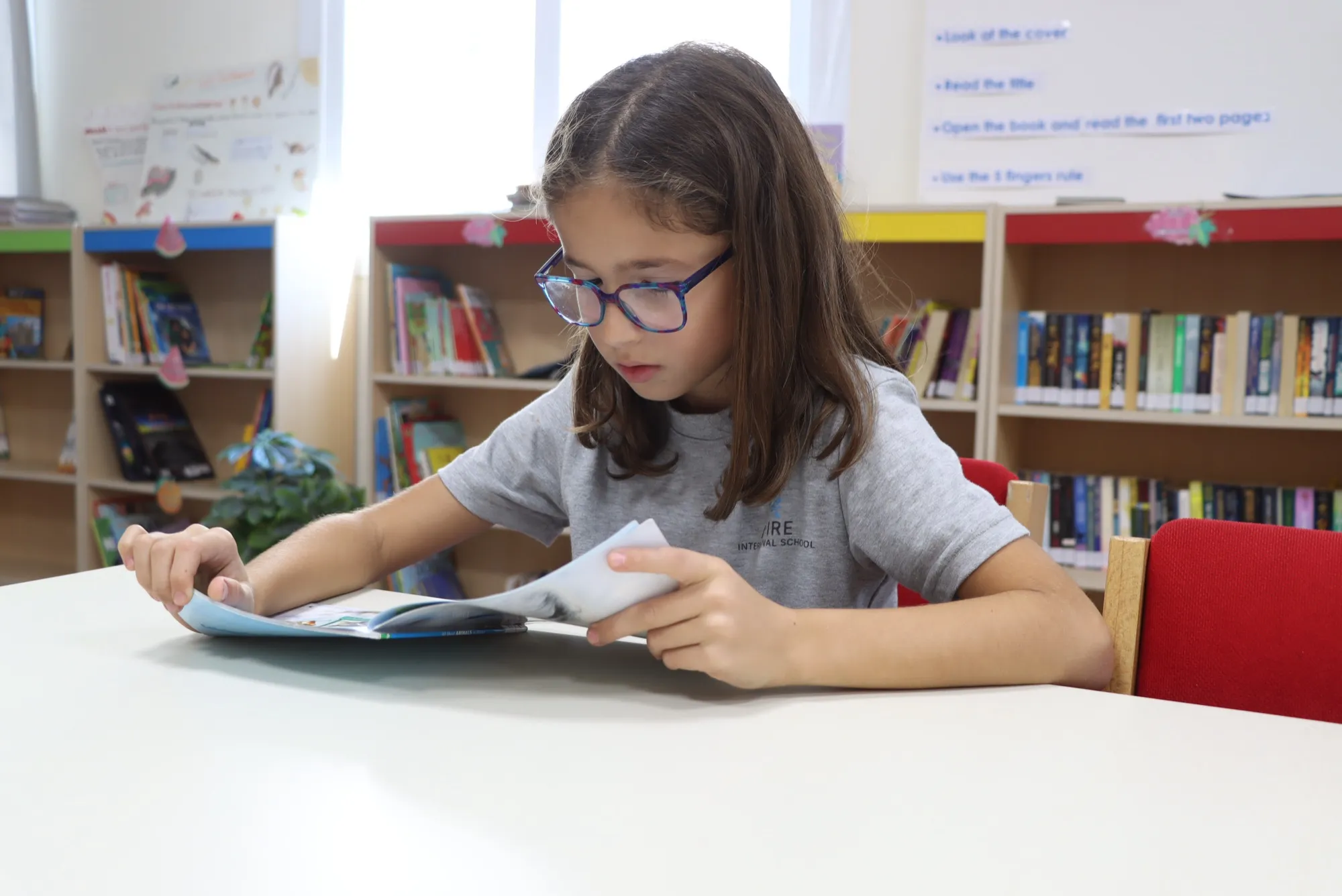
Certification opportunities
International Certification Opportunities
Students may choose to strengthen their language skills through internationally recognised certification pathways available at Aspire.
French - DELF Junior A1 & A2
Years 7–10
Internationally recognised diploma awarded by the French Ministry of Education, valid for life.
Read More →German - FIT in Deutsch 1 Kompetenz
Years 6–9
Goethe-Institut certified qualification recognised internationally as proof of German language ability.
Read More →Assessment
Building exam readiness from Year 7.
KS3 assessment introduces IGCSE-style expectations progressively. Students learn to write under assessment conditions, respond to exam questions, and understand how their performance is measured before they reach Year 10.
KS3 assessment focus
- Formative classroom assessment across all subjects
- End-of-unit tests aligned to IGCSE-style question formats
- Subject reports with strengths and development areas
- Parent-teacher reviews at each reporting point
Outcomes
Two years that make the IGCSE difference.
2
Years of specialist subject teaching in KS3
10+
Subjects taught by subject-specialist teachers
Ready to join Aspire?
The best first step is a family visit.
Student life
Secondary students take on more responsibility and opportunity.
Years 7 and 8 bring expanded activities, leadership introductions, and a growing sense of school ownership alongside stronger academic demands.
Sports
- Competitive football and basketball
- Swimming training and fitness
- Athletics and track events
- Inter-house sports competitions
Arts and performance
- Visual arts studio and exhibitions
- Drama productions and stagecraft
- Music and ensemble work
- Photography and digital arts
Leadership and community
- Student council representation
- Academic competitions and Olympiads
- Educational field trips
- Community and service projects
Academic outcomes
Results that reflect real preparation.
22+
IGCSE subject choices available
Programme guide
Secondary Curriculum Guide
Contact the admissions team for a full overview of the programme, subjects, and progression pathway.
Continue Exploring